Faith landmarks
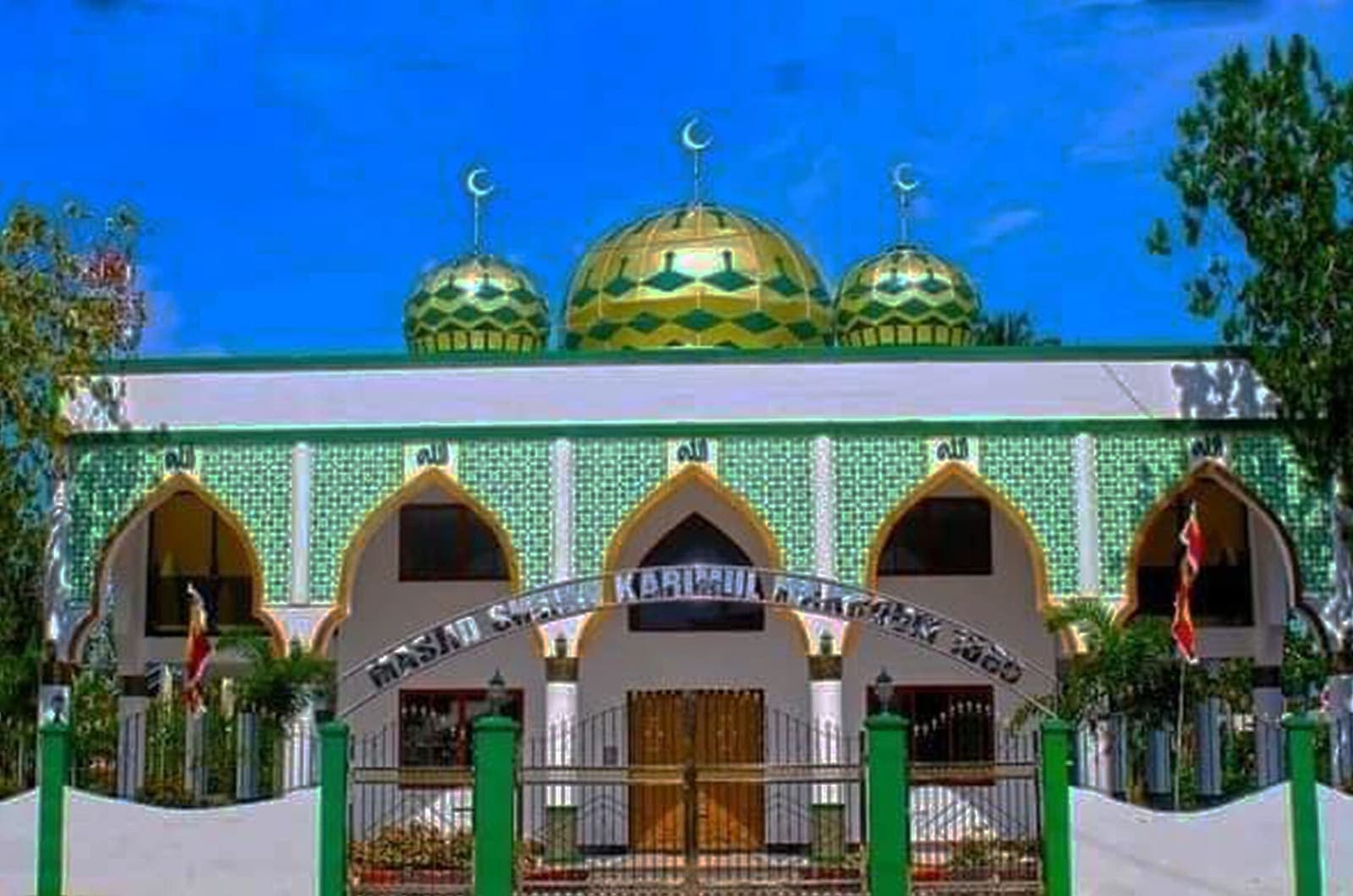
Grand Mosque and Sheik Karimul Makhdum Mosque
Cotabato City is known for the Sultan Haji Hassanal Bolkiah Mosque, while Simunul, Tawi-Tawi is home to the historic Sheik Karimul Makhdum Mosque, built in 1380.
BARMM tourism
Chapter 04 of 05 · Discover BARMM
Mosques, sandbars, lake towns, carved beams and banana-leaf lunches — the region as it is actually lived in.
These cards point to recognizable entry points into BARMM: sacred landmarks, city sites, island landscapes, food traditions, and living craft.
Faith landmarks
Cotabato City is known for the Sultan Haji Hassanal Bolkiah Mosque, while Simunul, Tawi-Tawi is home to the historic Sheik Karimul Makhdum Mosque, built in 1380.
BARMM tourismCotabato landmarks
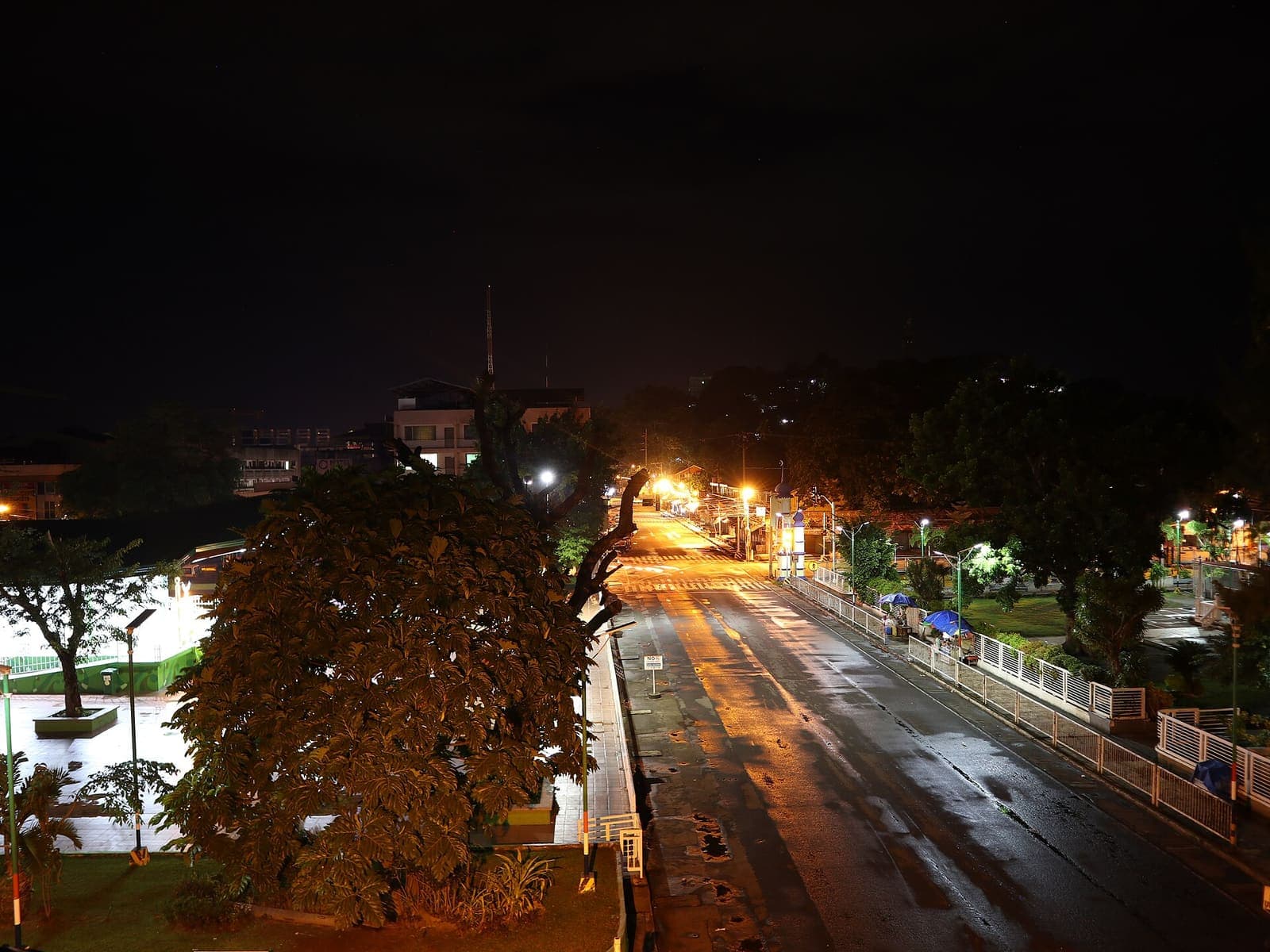
BARMM's Kutawato Go feature lists well-known Cotabato City landmarks, from the Grand Mosque to Tamontaka Church and Sultan Kudarat Shrine.
Kutawato GoIsland landscapes
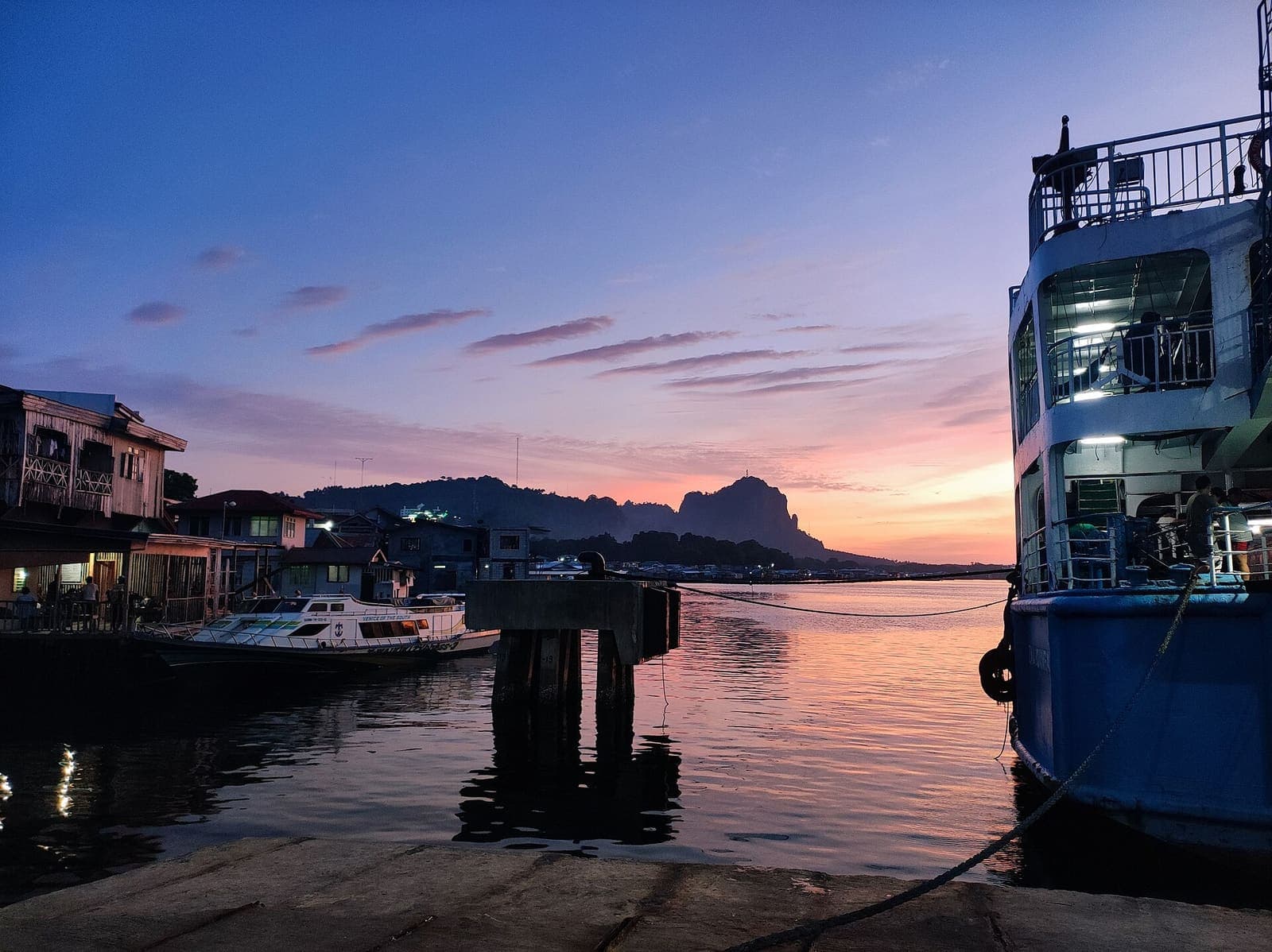
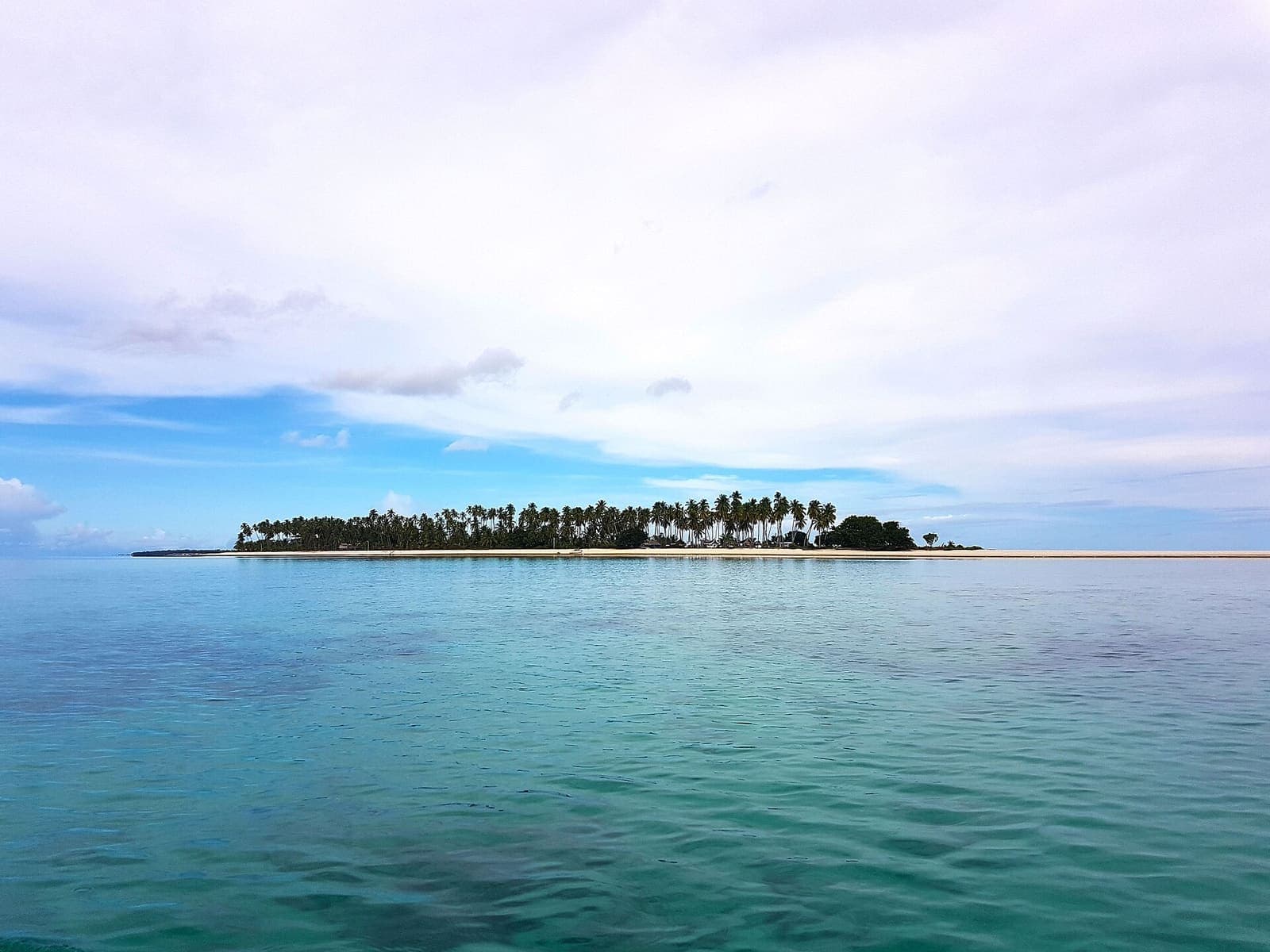
MTIT's Tawi-Tawi tourism inventory highlights Bud Bongao, Panampangan Island, Sangay Siapuh Island Resort, Bihing Tahik Resort, and other island destinations.
MTIT tourismFood culture
BARMM showcases Bangsamoro food as heritage: Tausug Tiyula Itum, Maguindanaoan dishes, Maranao piaparan, pastil, palapa, tapay, daral, and other local favorites.
Halal gastronomyArts and material culture
BCPCH and MTIT both frame culture as living work: traditional arts, crafts, music, dance, festivals, food, and heritage practices remain part of daily public life.
MTIT tourismTiyula itum is Tausug. Pastil is Maguindanaon. Piaparan is Meranao. Okoh-okoh is what Tawi-Tawi pulls out of the water that morning. Listed together they read as one regional menu, which is the flattening this guide exists to undo — so here they are set out people by people, with what each one weaves and plays alongside what it cooks.
01Lanao del Sur, around Lake Lanao
“People of the Lake”
BCPCH takes the name from the lake itself — the Meranao are the people of the 135-square-mile lake basin at the centre of Mindanao, 2,300 feet above sea level. Communities cluster around two buildings: a mosque, and a torogan, the royal house of the leading household. Their cloth is read the way a uniform is read; the intricacy of the motif and the richness of the colour state the rank of whoever is wearing it.
 Table
Table Hand
HandOn the table
3
What is cooked, and when it is cooked.
Slow-cooked in coconut milk with spices until the meat is tender and has taken the flavour all the way through. A centrepiece of Eid’l Fitr in Lanao del Sur.
Chicken in a coconut-milk broth with garlic, onions, ginger, turmeric and spring onions. The dish BARMM sent to an international food expo as the Meranao classic.
The condiment underneath much of the cooking — grated coconut with fried chillies, onions, garlic and herbs, stirred into a dish or eaten alongside it.
In the hand
3
Cloth, mat, house, boat.
The ancestral house of a datu, raised on heavy posts. BCPCH calls it the most significant and spectacular example of Filipino secular architecture.
The flowing carved motif that runs along the wing-beams flaring out from a torogan’s front, and through metalwork and woodcraft besides.
The dugout boat used on Lake Lanao — BCPCH singles it out as both unique and extremely ornate.
In the air
3
What is played, sung, and spoken.
An epic in 17 cycles and 72,000 lines, sung by specialist male and female performers across several nights of a wedding. It carries customary law, ethics and ideas of beauty inside the story. UNESCO inscribed it in 2008; it is now rarely performed, because its archaic vocabulary is understood only by practitioners, elders and scholars.
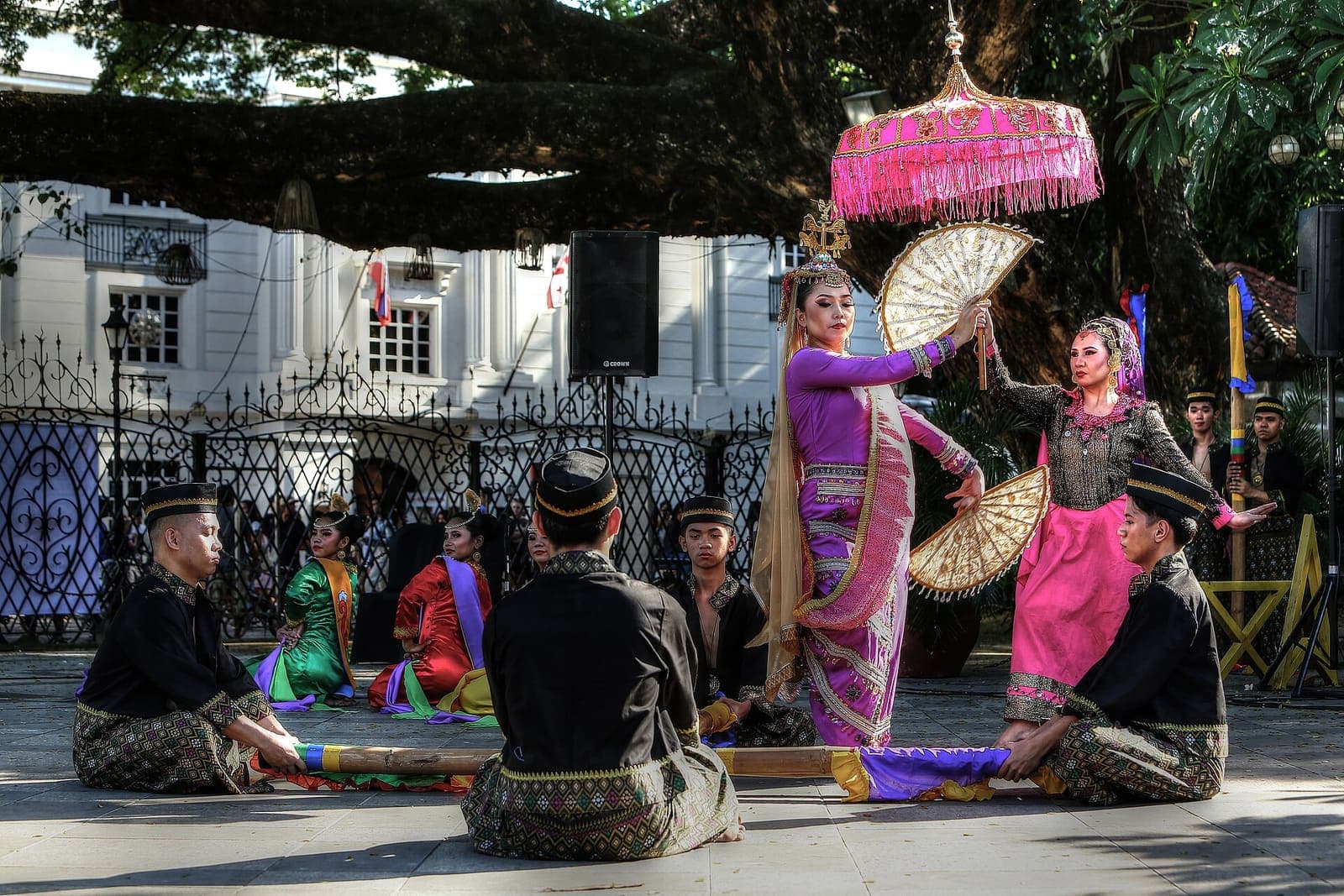
The court dance of stepping through clashing bamboo, drawn from an episode of the Darangen — the epic danced rather than sung.
The early written genealogies. BCPCH takes its account of who counts as Meranao from them: it is the salsila that record the term as covering the people living around the lake.
02The Pulangi river valley — Maguindanao del Norte and del Sur, and Cotabato
BCPCH describes the Maguindanaon as highly sophisticated in weaving, okir design, jewellery, metalwork and brassware — and says that in music they have few peers among Filipino cultural communities. Their masters of the kulintang and the kutyapi, it argues, stand comparison with any instrumental virtuoso in the East or West.
 Table
Table Hand
HandOn the table
5
What is cooked, and when it is cooked.
Chicken cooked in fresh coconut milk seasoned with palapa, turmeric and other herbs — one of the most popular Eid’l Fitr dishes in Maguindanao.
A budget meal: rice topped with sautéed shredded chicken or fish and wrapped in a banana leaf. Everyday food that also turns up at the feast.
Fermented rice, set with yeast — a delicacy rather than a staple, and a fixture of the Eid table.
One of the household delicacies BARMM has put on the road with its halal gastronomy showcase, alongside tipas and muntia dadal.
The rest of the Eid’l Fitr sweets and snacks BARMM lists for Maguindanao — a spread, not a single dessert.
In the hand
3
Cloth, mat, house, boat.
The handwoven malong. Made on an ancient backstrap loom or a fixed horizontal frame with 4 treadles, from tanor cotton thread, silky rayon, katiyado, or a mix — 1 to 3 weeks of work for a single piece, depending on the pattern.
Plaid has become the favourite among the old patterns, and some designs are woven exclusively for particular clans. Weavers learn by watching their elders, not from a book.
Heirloom cloth. BCPCH exhibited one passed down 6 generations, last held by a 105-year-old woman from Sultan Kudarat, and no longer produced.
In the air
2
What is played, sung, and spoken.
A 2-stringed plucked lute, and one of the hardest Filipino traditional instruments to master. One string holds a rhythmic drone; the other carries the melody on movable frets across two pentatonic scales.
The gong-chime row, the most popular instrument among the Maguindanaon — played with the agong, the gandingan, the palendag and the tambul.
National Living Treasure
Gawad sa Manlilikha ng Bayan
Musician · Maguindanao
A barber by trade and the most acclaimed kutyapi master and teacher of his generation, with a repertoire spanning dinaladay, linapu, minuna and binalig. He taught the other acknowledged experts around him.
BCPCH profile03The Sulu archipelago, with communities across the region and beyond it
tau (person) + suug, the old name of Jolo Island
BCPCH names the Tausug the dominant group of the Sulu archipelago on the strength of its political and religious institutions, with settlements reaching into Cotabato, Zamboanga del Sur and Malaysia. Two dialects divide the coast from the interior: parianum along the shores of Jolo, gimbahanun inland. Note that Jolo itself is no longer in BARMM — the Supreme Court excluded Sulu from the region — but the Tausug remain one of the peoples BCPCH lists as Bangsamoro, and Tausug communities live throughout it.
 Table
Table Hand
HandOn the table
4
What is cooked, and when it is cooked.
The black soup, and the dish the whole table is built around. Its colour comes from burnt coconut meat ground into a broth of beef, ginger, turmeric, onions and lemongrass. Served on special occasions rather than on an ordinary night.
Chicken in the same burnt-coconut register — one of the dishes BARMM lists beside tiyula itum for the Eid table.
The rest of the celebration spread as BARMM records it: a set of dishes, not a single main course.
Not a dish but the shape of the meal. After the Eid prayer a dulang — a low dining table — is set with everything at once, and the family eats from it together.
In the hand
2
Cloth, mat, house, boat.
The woven square worn as a head covering, also cut into bags and attire. A 39-by-40-inch cloth takes about 3 months. Preparing the warp alone takes 3 days of stringing black and red thread across a banana-and-bamboo frame.
“This is what we’ve grown up with,” the weavers of Barangay Parang told BCPCH. “It is something we’ve learned from our mothers.” For women with no land to farm, the cloth is the income.
In the air
1
What is played, sung, and spoken.
The two Tausug dialects — the coastal speech of Jolo and the speech of the interior. The language itself is drawn from the vocabulary of Tagimaha, in whose locality the Sultan of Sulu established Buansa as his capital.
National Living Treasure
Gawad sa Manlilikha ng Bayan
Textile Weaver · Parang, Jolo, Sulu
Recognised by her own community of weavers for bold contrasting colours, the evenness of her weave, and her faithfulness to traditional designs — which let her price her work above the going rate.
BCPCH profile04Basilan — Lamitan, Tipo-Tipo, Sumisip and Tuburan
“Dayak origin”
BCPCH traces the Yakan to the Orang Dyaks of eastern Indonesia, and notes that they speak a dialect of the Sama language while carrying Tausug cultural influence. They farm upland rice and, unusually, do not live in compact villages — houses sit on their own plots, just out of sight of the nearest neighbour. BCPCH sums them up in one line: famous for their beautiful weaving and their colourful traditional clothes and customs.
 Table
Table Hand
HandOn the table
2
What is cooked, and when it is cooked.
Also called ja. Rice-flour noodles fried until golden and crunchy, then shaped into a roll or a triangle. A Basilan staple of the Eid table.
A fried pancake, and the sweet that completes the Yakan Eid’l Fitr feast.
In the hand
3
Cloth, mat, house, boat.
Yakan weaving — tiny motifs, dense colour, and techniques only a seasoned weaver can attempt, with some designs restricted to a single category of cloth.
The cross-stitch-like and embroidery-like embellishments of the bunga sama category — the pair of techniques that mark out a master.
An old custom: when a girl was born, the traditional midwife cut the umbilical cord with the bayre, the wooden bar used to beat in the weft on the loom. Cut that way, it was believed, she would grow up to be an accomplished weaver.
In the air
2
What is played, sung, and spoken.
5 wooden logs hung horizontally, shortest nearest the ground. After the rice is planted, an unroofed platform is built high in a tree and the kwintangan kayu is played to serenade the palay — the resonance is believed to rouse the plants and coax a bigger yield.
The bamboo xylophone and the bossed gong. Yakan tradition assigns the kwintangan to women and the agung to men — a line Uwang Ahadas crossed on the strength of his playing.
National Living Treasure
Gawad sa Manlilikha ng Bayan
Textile Weaver, 2016 · Parangbasak, Lamitan City
Apuh Ambalang to her community, and held to be without equal in Lamitan: she can bring forth every design and every textile category the Yakan have, and knows what each one means as well as how it is made.
BCPCH profile05Tawi-Tawi and the island seas — Sulu, Basilan and the coasts between
The Sama world is a maritime one, and its kitchen shows it. Where the mainland cooks coconut and rice, Tawi-Tawi cooks what comes out of the water that morning — and BARMM’s own Ramadhan reporting from the province reads less like a menu than a tide table.
Table Hand
HandOn the table
6
What is cooked, and when it is cooked.
Sea urchin stuffed with rice cooked in coconut water, so the sweetness of the rice runs against the salt of the shell.
Freshly harvested sea urchin, eaten with roasted cassava and shredded coconut.
Sea urchins eaten raw or dressed with vinegar and spices; gamay, the sea grapes taken fresh or with vinegar; and kahanga, an edible marine snail close to a spider conch.
Fresh coconut juice, husked at the market stall — what people drink to rehydrate before evening prayers.
A rolled crepe filled with sweetened coconut; a cone-shaped rice cake with a chewy bite; and glutinous rice steamed in banana leaves.
A fluffy golden cake for after the fast, and two more of the coloured sweets that fill a Tawi-Tawi market through Ramadhan.
In the hand
3
Cloth, mat, house, boat.
The pandan mat. Weavers prefer the thorny leaf variety because it makes stronger strips — thorns pared off by knife, leaves stripped with a jangat deyum, sun-dried, pressed flat under a log, then dyed. About 3 months for one mat.
Mat weaving passes down the mother’s line and men in Sama culture do not take it up. Every stage, from harvesting the leaves to executing the design, belongs to women.
The forebears’ mats were plain white. Haja Amina Appi took up commercial anjibi dye and built the complex geometric patterns the Sama mat is now known for, backed by a plain white outer mat.
National Living Treasure
Gawad sa Manlilikha ng Bayan
Mat Weaver · Ungos Matata, Tandubas, Tawi-Tawi
Master mat weaver of her community, recognised for a precise sense of design, proportion and symmetry, and for an unerring instinct for colour — mats that read as applied mathematics as much as craft.
BCPCH profileKeep it honest
Where this chapter differs from an official page, the official page is right — and the correction is welcome. Send the source and it gets checked against the record.